
The arvo session often starts with a simple throw of virtual dice, but the respin feature changes that familiar rhythm. I’ve spent more than a decade designing live ops and performance creative across iGaming, and the way a respin reframes a losing spin feels less like a gimmick and more like a deliberate pacing tool. When the screen resets and the dice tumble again, the tension shifts from “what did I lose” to “what happens next.” That small loop is where retention lives, especially when the bonus mechanics are tuned for repeat play rather than one-off fireworks. If you want a closer look at how a platform handles those promises in practice, an honest pointsbet review lays out where the ongoing promos and loyalty tiers actually line up with the marketing.
How the Respin Loop Rewrites the Stakes
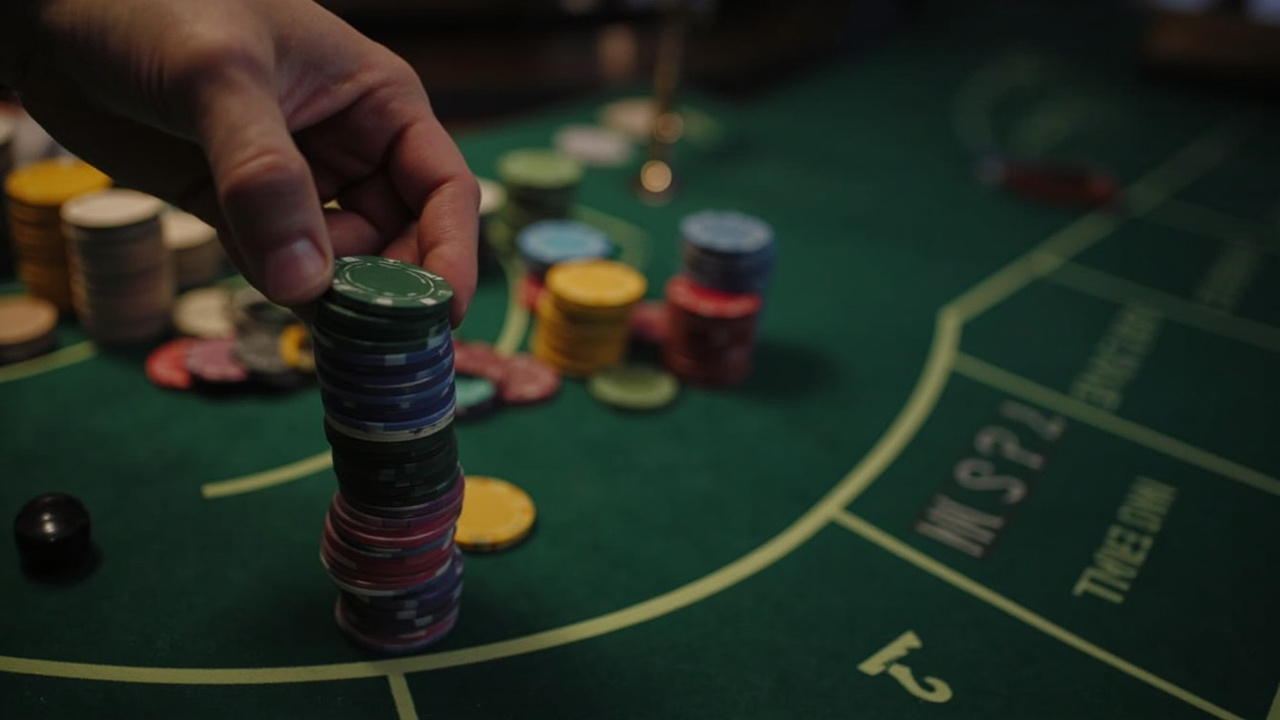
A dice respin feature works by giving the player a second roll after a near-miss or a partial win, usually triggered when the outcome lands within a narrow band around the target. From a design standpoint, I’d compare the pacing to sound design in pokies, where upbeat jingles fire on even small payouts to reinforce momentum rather than wait for a big hit. The respin does the same thing with tension: it borrows a moment that would otherwise close the round and turns it into a fresh decision point. The trick is that the second roll isn’t a free pass; it usually carries its own capped multiplier or a reduced stake so the maths stays honest. I’ve seen teams over-index on the visual flash and forget the underlying volatility, which is why I push for clear outcome ranges and a visible trigger threshold instead of vague “bonus chance” language. The best implementations treat the respin as a rhythm adjustment, not a promise of a different result.
Bonus Mechanics and the Ongoing Value After Sign-Up
The welcome offer gets the foot in the door, but the real test is what keeps someone logging back in after the first week. A solid dice games respin feature sits inside a broader loop that includes recurring promos, cashback on selected sessions, and a loyalty track that actually rewards frequency instead of just deposit size. I’ve run live operations where the retention curve flattened the moment the bonus calendar went quiet, so I look for platforms that stagger small rewards across the month rather than dumping one big package and going silent. Tournaments built around respin counts or near-miss streaks can work well because they give a reason to play a full session instead of chasing a single outcome. Registration tends to be straightforward, with a standard ID check and a choice of AUD or a stable crypto equivalent depending on the operator, and the mobile build should keep the same respin trigger logic intact without shrinking the outcome grid to the point where it feels cramped. Support that answers a payout query in a couple of messages matters more than a glossy homepage, because the feature only feels fair when the paperwork behind it is easy to read.
Why the Second Roll Fits an Australian Session
Down here, a dice session usually fits around a long weekend or a quiet arvo when the weather turns and the couch wins out. Brisbane players in particular tend to favour short, self-contained rounds that can sit between a lunch break and an evening plan, and the respin feature suits that cadence because it extends a round without demanding a long commitment. I’ve built performance creative that had to land in a tight window, and the lesson is the same: the loop has to feel complete on its own terms, not like a teaser for something bigger. A respin that gives a clear visual cue, a short settle time, and a transparent result range plays well when someone is playing in bursts rather than sitting for hours. The feature also pairs naturally with the kind of casual stakes that keep the session light, because the second roll is about momentum and pacing rather than pushing the stake up just to chase a bigger number.1
Reading the Fine Print Without Losing the Fun
A respin feature only stays enjoyable when the player can read the trigger, the cap, and the settlement without hunting through three different menus. I’d suggest a short checklist before the first throw: confirm the trigger range, check the max multiplier on the second roll, note whether the respin stake matches the base bet or drops to a fixed amount, and see how the result posts to the balance. That’s the practical side of the loop, and it’s where a lot of operators quietly diverge. Some keep the respin as a standalone bonus round with its own timer, others fold it into the regular game flow so the second roll lands immediately. Neither approach is automatically better; it just changes how the session feels. If you’re comparing platforms, look at how the respin interacts with cashback and loyalty points rather than treating it as an isolated feature, because the ongoing value comes from the whole stack working together. I’ve seen setups where a near-miss respin feeds a small points bump that later unlocks a tournament entry, and that kind of linkage is what turns a neat mechanic into a reason to come back next week.

- Open the game and check the respin trigger range shown beside the dice grid.
- Set a stake that matches the session you want, keeping the amount within the limits displayed on the table.honest pointsbet review
- Watch for the visual cue that flags a near-miss or partial win eligible for a second roll.
- Let the respin settle on its own and read the result range before deciding on the next throw.
- Note how the outcome posts to your balance and whether any points or cashback tick over from the session.
The dice games respin feature works best when it feels like a pacing tool rather than a promise, and that’s really the whole point. A well-tuned second roll keeps the session moving, gives a clear reason to stay for one more throw, and sits inside a broader setup that rewards repeat play the corporate site instead of just the first deposit. If the trigger is visible, the cap is honest, and the loyalty or cashback layer actually feeds back into the loop, the feature earns its place in a regular session. That’s the kind of design I’d back, because it respects the player’s time and keeps the maths readable while still leaving room for a bit of tension on the next toss.